

The Original Site of Villa de Laredo is marked near San Agustín Plaza, in the heart of modern Laredo, Texas. The plaque commemorates the city’s Spanish colonial beginnings and traces its early history through several changes in government.
- Location: 1000 Zaragoza, at San Agustín Plaza.
- What it marks: The site of Laredo’s original settlement.
- Marker details: A granite stele with a bas-relief of a kneeling soldier and a flag.
- Access: The marker is recorded as in situ and not on private property; check with the City of Laredo before you go.
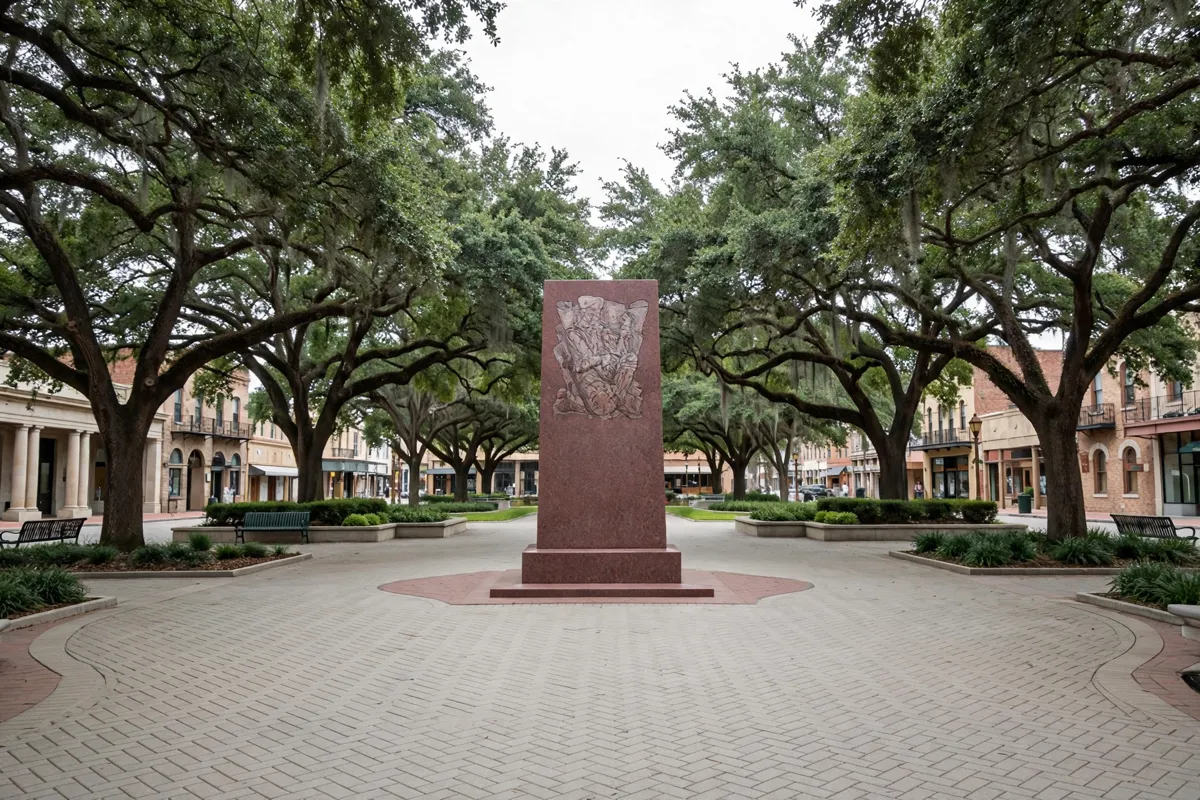
What the original site commemorates
The marker commemorates Villa de Laredo’s founding and the place where the settlement began. The City of Laredo identifies San Agustín Plaza as the community’s historic heart and places the original settlement near the present-day plaza and church, close to the river.
The Texas Historical Commission identifies the marker as “Villa De Laredo, Original Site of,” number 15598. Its inscription records the settlement’s founding and later political milestones. The City of Laredo administers the marker, which the Smithsonian American Art Museum describes as a granite stele with a bas-relief of a kneeling soldier and a flag.

How Villa de Laredo began
Villa de Laredo began as a Spanish colonial settlement centered around San Agustín Plaza. The City of Laredo says it was named Villa de San Agustin de Laredo after the Spanish city of Laredo in the Bay of Biscay, in the province of Santander, which had been Colonel José de Escandón’s home.
The marker inscription says Tomás Sánchez founded the settlement on May 15, 1755, by order of José de Escandón, colonizer of Nuevo Santander. It says the King of Spain chartered the settlement and it was organized as Villa de San Agustin de Laredo in 1767.
The City of Laredo adds that the settlement included fifteen “sitios de ganado mayor,” or grazing plots, for common use, with no individual land grants made at that time.
The marker’s account continues through later turning points: Laredo became part of the Mexican state of Tamaulipas in 1821, served as the capital of the Republic of the Rio Grande in 1839, and was incorporated as a city by the Texas Legislature in 1848.
How do you find the site and check access?
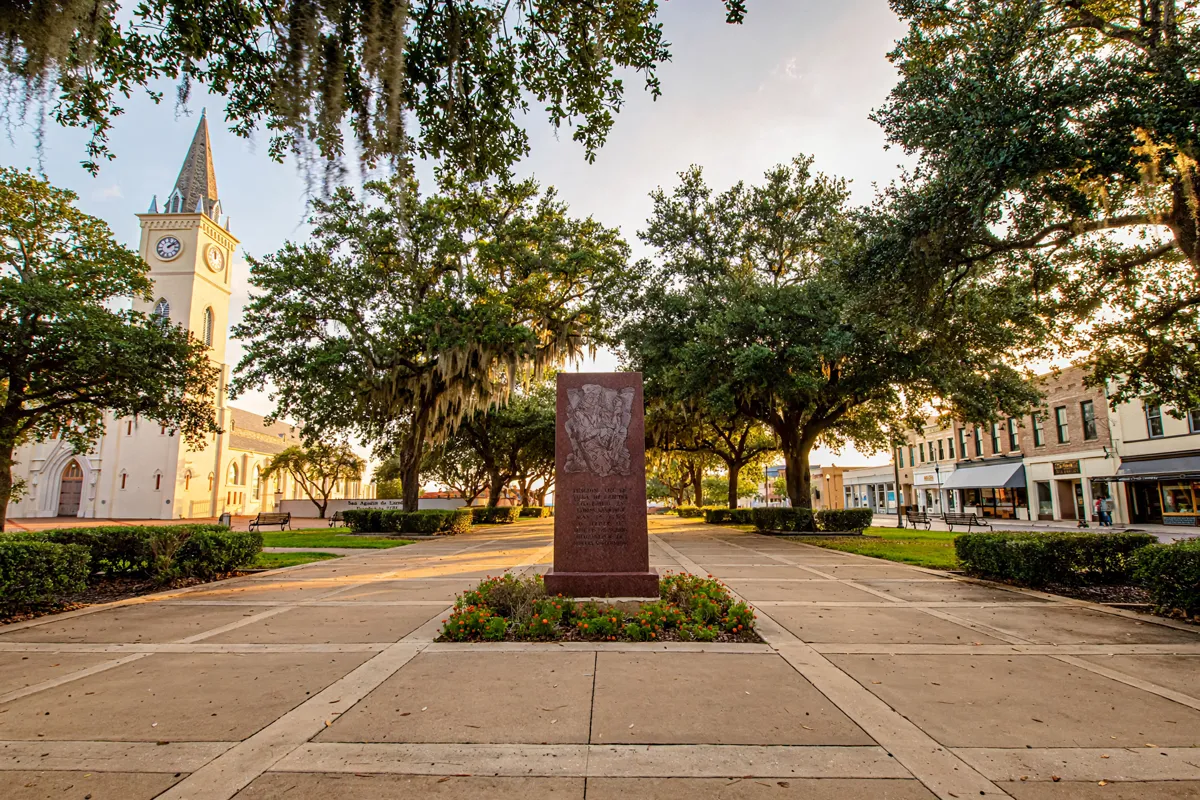
Look for the Original Site of Villa de Laredo plaque at 1000 Zaragoza, by San Agustín Plaza at Zaragoza and St. Augustin. The Texas Historical Commission records the marker as in situ and not on private property. The City of Laredo administers it.
Current plaza hours, marker-specific access restrictions and photography rules aren’t established by the city information cited here. Check the official site before you go, using the City of Laredo’s website for current access information.
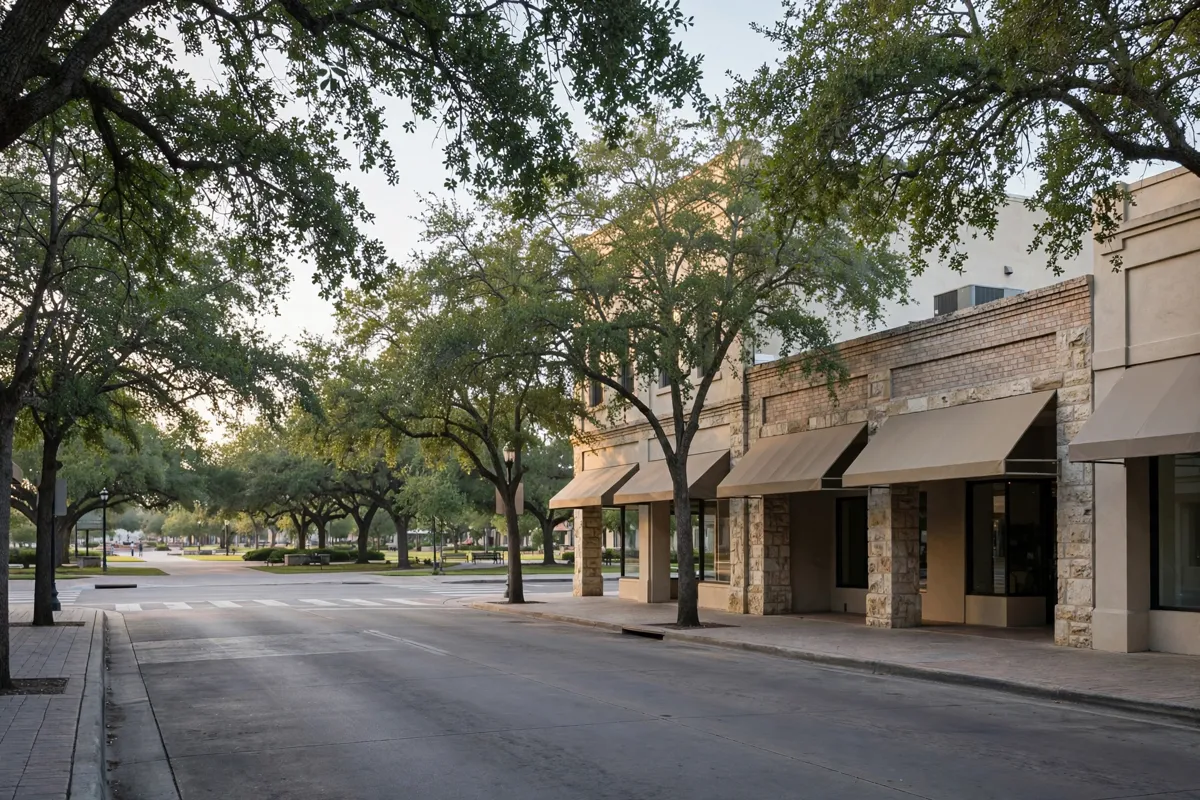
Adding the site to a historic downtown visit
The plaza’s location makes the marker a natural stop while you’re looking at Laredo’s downtown history. The Cathedral of San Agustin in Laredo is part of the same historic setting described by the city, which places the original settlement near the present-day plaza and church.
The marker’s inscription also records Laredo’s role as the capital of the Republic of the Rio Grande in 1839.
Loma Alta Motel is in Laredo; its two-star rooms are one accommodation option for a visit focused on the city’s historic centre.
FAQs
Where is the Original Site of Villa de Laredo?
The plaque is at 1000 Zaragoza, at San Agustín Plaza, near Zaragoza and St. Augustin.
What does the marker look like?
It is a granite stele with a bas-relief of a kneeling soldier and a flag.
When was Villa de Laredo founded?
The marker inscription gives the founding date as May 15, 1755, by Tomás Sánchez, under the order of José de Escandón.